

Multisensory Dining: How Light, Sound, Smell & Story Season Your Food
Explore the science of multisensory dining and try simple experiments that transform everyday meals at home or in a restaurant.


If you’ve ever wondered why airline food tastes bland or why oysters seem sweeter by the sea, it’s not your imagination. Decades of research show that flavor is fundamentally multisensory: what you see, hear, touch and smell while eating changes what you taste. That’s the scientific secret behind immersive restaurants like Ultraviolet and Eatrenalin, but you don’t need floating chairs or 360° projections to tap into it.
This post lays out a 5‑lever “flavor canvas”: Light, Sound, Air/Aroma, Touch/Texture and Story along with quick experiments so you can play with these effects at home.
Flavor starts in the eyes
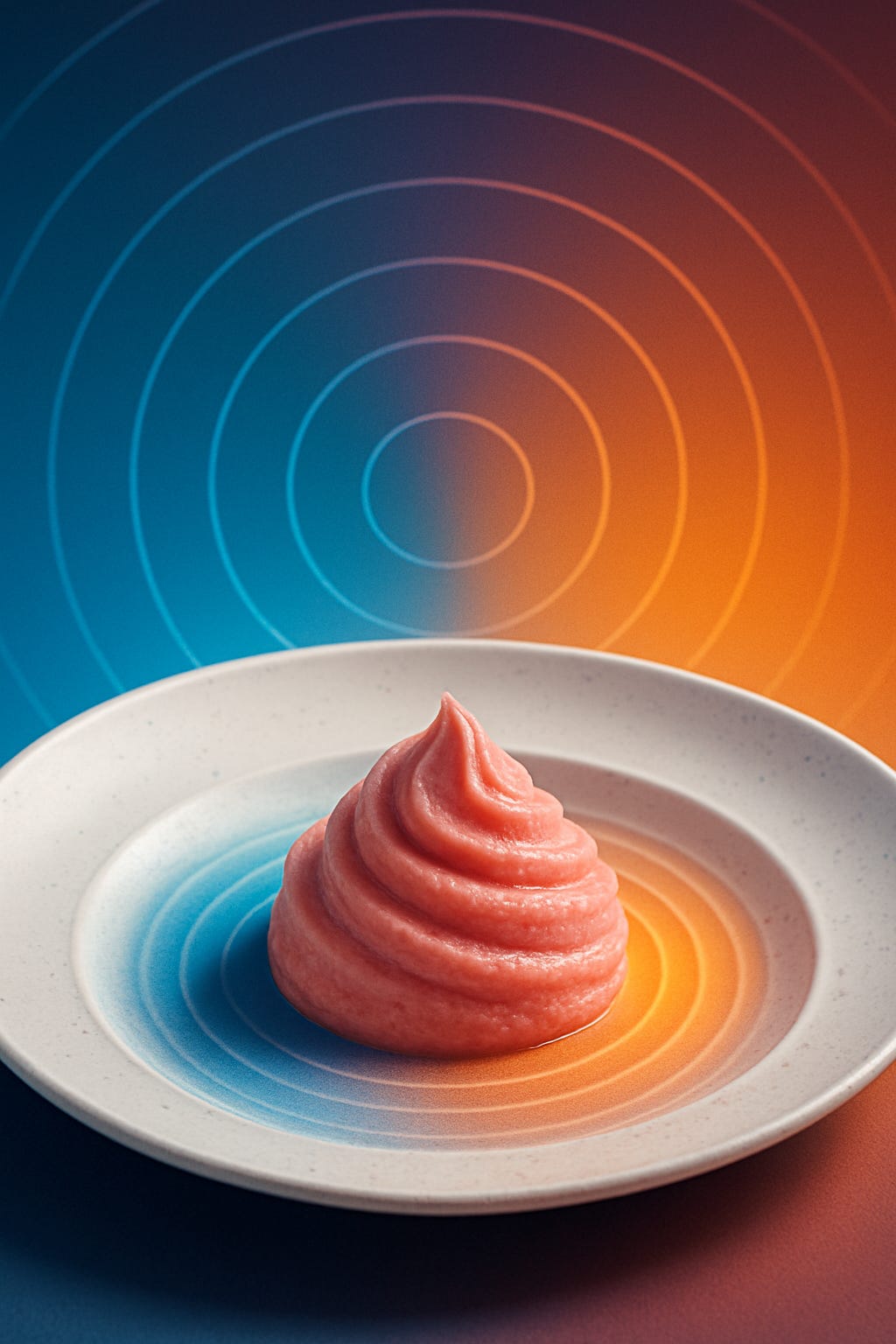
Our brains integrate visual cues with taste before the first bite. One famous experiment found that strawberry mousse tasted sweeter and more flavorful on a white plate than on a black plate; a lighter background made the pink hue “pop,” amplifying perceived sweetness. Even packaging matters, early 7UP cans with more yellow dye made people think the drink had more lemon flavor. Lighting also sways appetite and taste: red or warm-toned light boosts perceived warmth and sweetness, while blue light suppresses appetite.
Try it: Pour the same yogurt into two bowls, one white and one dark. Taste both under warm and cool lighting (your phone’s flashlight with a colored filter works). Note which feels sweeter or richer.
Sonic seasoning
Sound isn’t just background; it actively seasons food. High‑pitched, tinkling notes enhance sweetness and acidity, while low, brassy sounds accentuate bitterness and savoriness. In one study, identical toffee candies tasted sweeter paired with a high‑pitch soundtrack and more bitter with a low‑pitch one. Even a chip’s crunch affects perception: amplify the crunch, and people rate it fresher; dampen it and it tastes stale.
Try it: Sip tonic water while listening to a bright, high‑pitched melody, then switch to a deep, bass‑heavy track. Rate the bitterness each time. For dessert, play a tinkly piano piece and see if chocolate tastes sweeter.
Air and aroma: The invisible course
Because most of flavor is perceived through smell, ambient scents can prime expectations and memories. Ultraviolet uses dry scent projectors to match the aroma of each dish. Studies show that contextual scents, like sea breeze for seafood, make food taste fresher and may evoke emotions and memories.
Try it: Before serving vanilla ice cream, peel an orange or brew fresh coffee nearby. Does the ice cream pick up citrus or roast notes? You can also place a small jar with a few herbs (mint, basil) next to the plate; don’t add them to the dish, just let the aroma mingle.
Touch and texture
Touch matters both in your mouth and in your hands. Researchers found that cheese tasted saltier when eaten from a knife than from a fork, and that yogurt tasted sweeter when sampled with a heavier, metal spoon. The weight and temperature of cutlery or dishes can subconsciously transfer to the food. Even seating influences perception: soft chairs relax diners, potentially enhancing sweetness, while hard chairs keep you alert, sharpening acidity. Crispy foods that produce a louder crunch are perceived as fresher.
Try it: Serve identical desserts with different spoons: plastic vs. cold metal and notice whether one tastes creamier or sweeter.
Story: The final lever
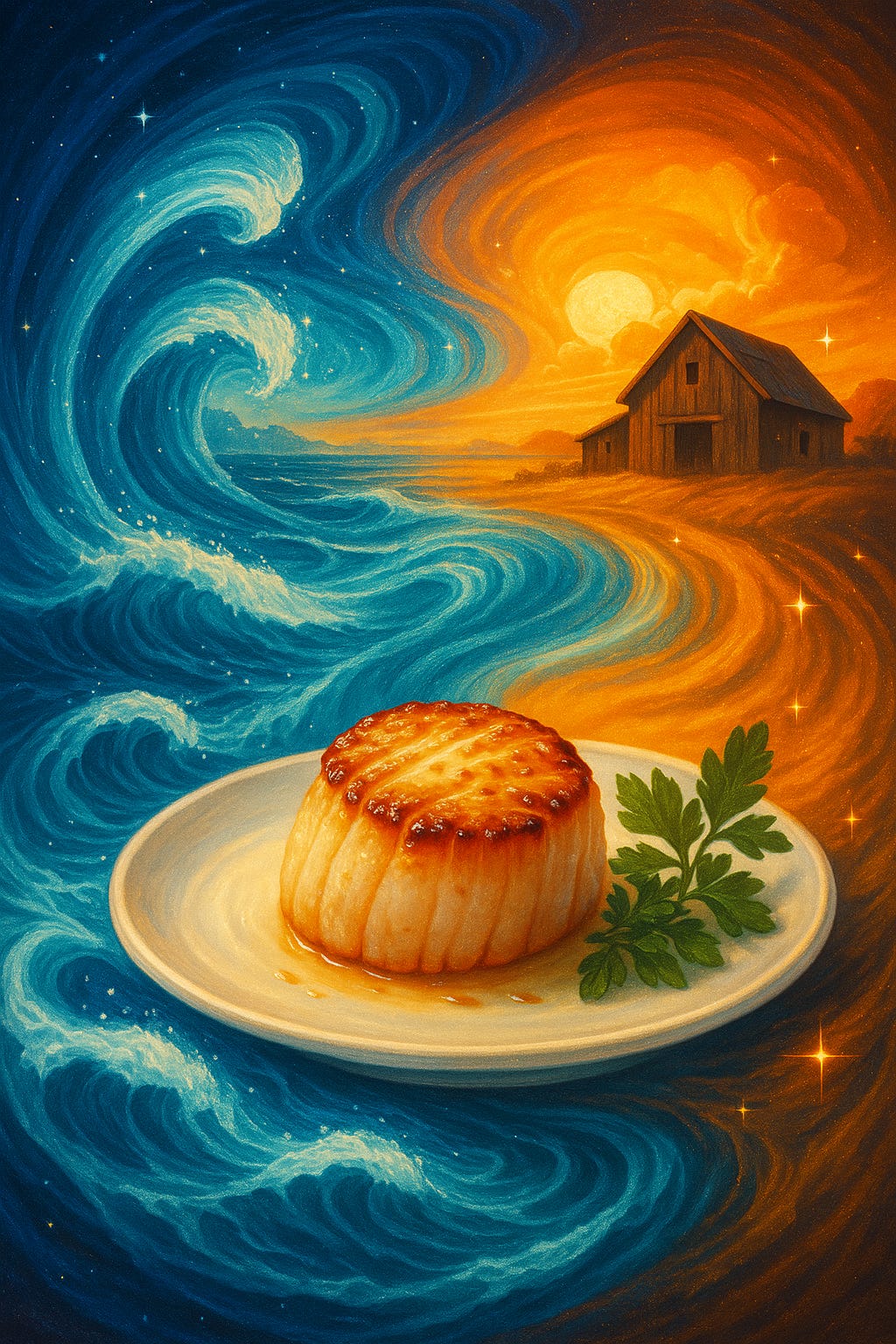
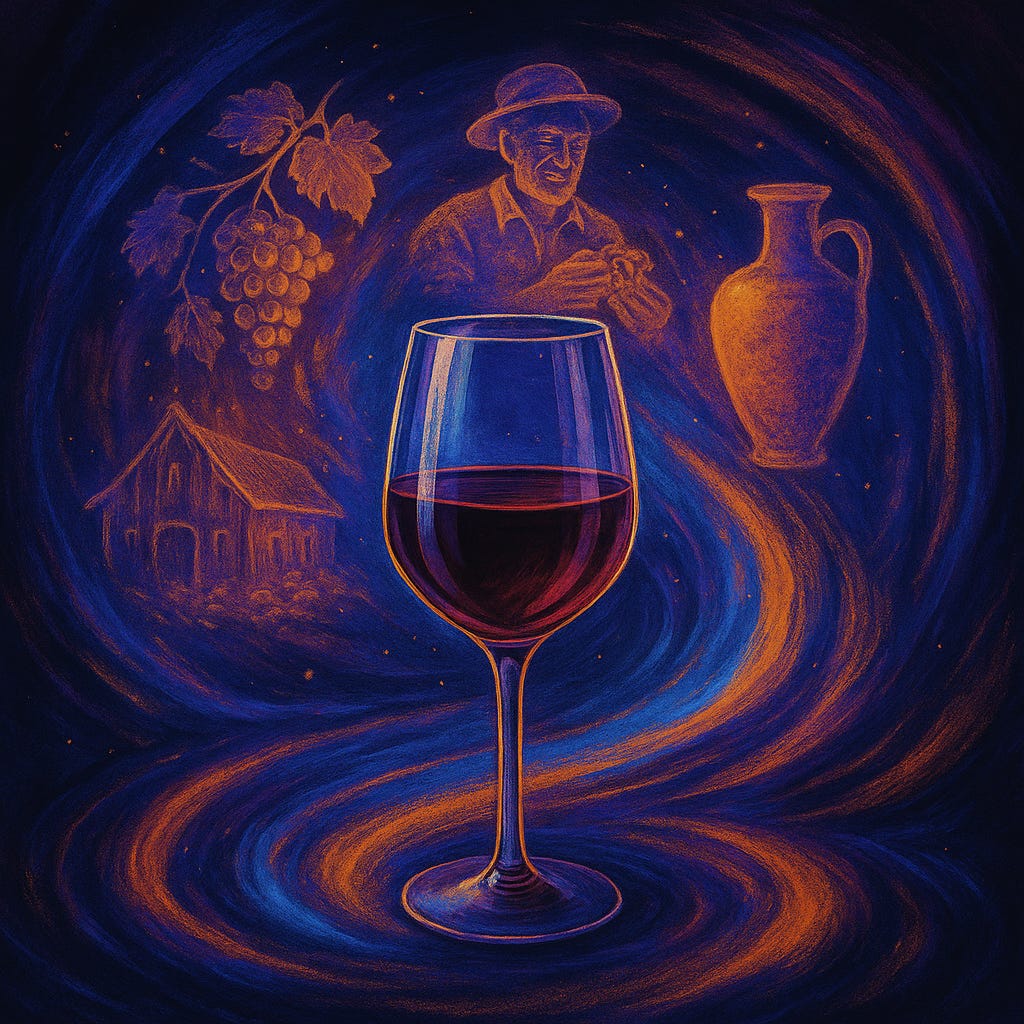
A good story changes taste. When a server shares the origin, process, and people behind a wine diners consistently rate it more favorably. In VR studies, tasters even judged the same cheese more pungent and authentic when “eaten” in a virtual barnyard than in a plain room. Chefs like Paul Pairet build narratives around courses for this reason: at Ultraviolet, ocean sounds, a cool breeze, and a short fishing story can pre-tune your palate before scallops arrive.
How to frame a wine in 20 seconds (plug-and-play):

- Place: soil / altitude / exposure
- People: family, first-gen, coop
- Practice: organic, native yeast, vessel
- Season: cool year, late rains, windy harvest
- Sensory Cue: what to notice (aroma, texture, finish)
“From old vines on basalt at 500 m in [village/region]. [Producer] farms organically and ferments with native yeasts in amphora. 20[xx] was a cool, windy year, so berries stayed small and aromatic. Notice the saline snap and citrus oil on the finish.”
Try it: Tell, taste, then ask which notes jumped forward after the story
Designing a multisensory experiment
You don’t need 3 Michelin stars to play. Pick one idea, notice what shifts, and if you’re curious, layer a second lever next time. The goal is to reveal, not disguise.
Wine × Story × Light → share a 20-sec origin tale, then taste the same white wine under cool vs warm light. Freshness pops differently.
Chocolate × Music → one bite with bright piano notes, another with deep bass. Sweetness or bitterness will drift.
Oysters × Sea cues → wave sounds + a spritz of lemon zest mist. Perceived brininess jumps.
Panna cotta × Touch → plastic spoon vs heavy cold metal. Creaminess changes.
Coffee × Story → sip an espresso “blind,” then hear: grown at 1,800 m on volcanic soil by a family in Guatemala. Does the second sip taste richer?
In the next post, we’ll look ahead: from floating chairs and VR headsets to e‑taste cutlery and AI‑generated flavors, what’s hype and what’s actually useful for crafting multisensory meals? We’ll also share your results from the FAS experiment—so send them in!
I'm Anne-Lise Saive —a passionate neuroscientist and olfaction expert by day, and an endlessly curious food, perfume, and tech explorer by night. I could spend hours reading about food science and in my kitchen, cooking the perfect pasta dish with a glass of red wine! 🍝🍷
My mission? To take you along on my exciting journey through the worlds of taste, aroma, and science. Together, we'll explore groundbreaking research, dive into technological advancements, and engage in stimulating conversations with experts at cutting-edge scientific conferences and industry workshops. Expect captivating stories from the latest research discoveries and fresh insights from innovative projects I’m leading.
Flavors of Science is your curated gateway into the hidden universe of food, fragrance, and technology. Join me on this flavorful journey!